
Mastering the Crew Hold: How to Navigate Production Holds Without Burning Bridges
Learn the unwritten rules of the first hold system and how to manage production scheduling without damaging your professional reputation.
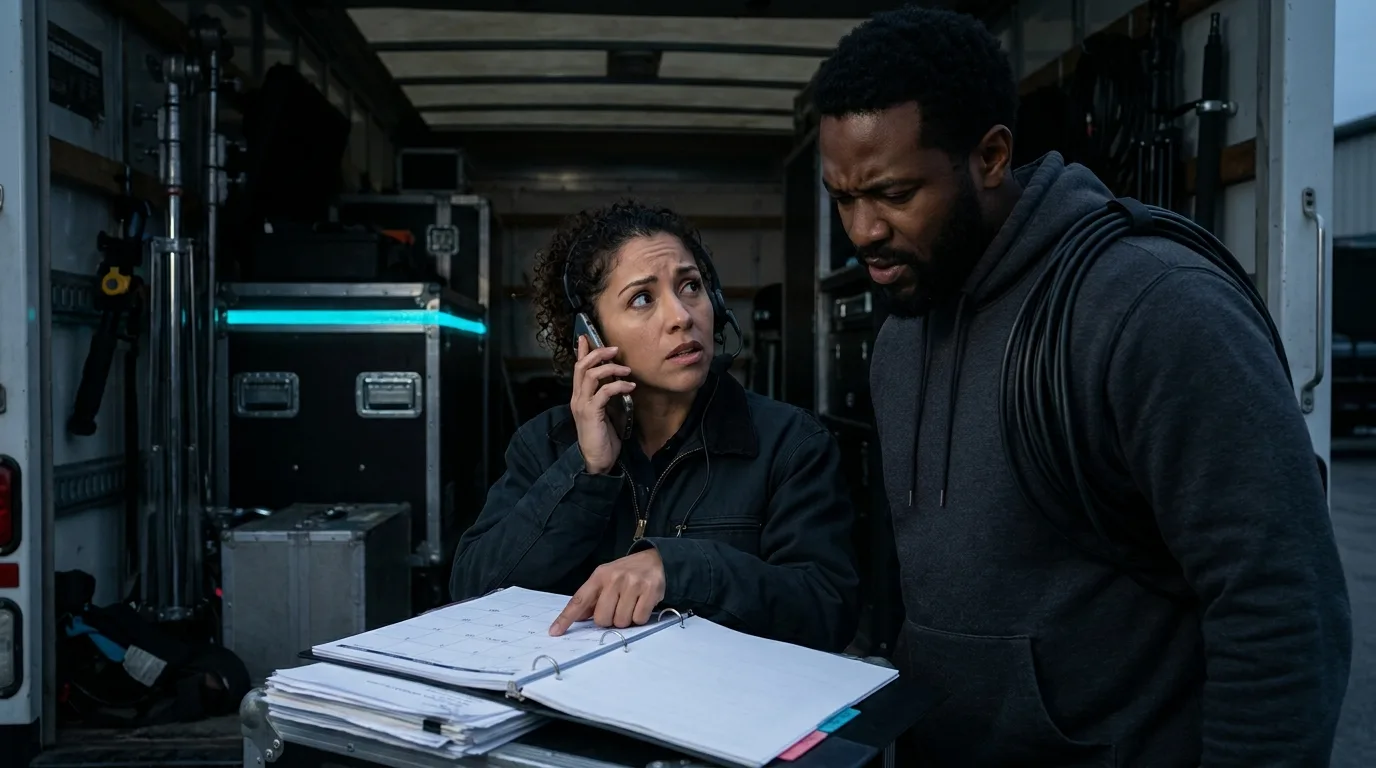
Understanding the Hold System
In the Texas production landscape, a hold is not a booking, but it is a professional agreement. For producers, it ensures availability for a project that may still be in flux. For freelancers, it represents a potential commitment that prevents you from taking other work. Navigating this without conflict requires understanding the hierarchy of holds.
The First Hold
The first hold is the priority slot. If you are a freelancer, you have promised a producer that you will not accept other work on that date until you have contacted them first. As a producer, placing a first hold means you are serious about the talent. It is not a placeholder for a project that lacks a budget or a timeline.
The Challenge Rule
If you are a producer and you want to book someone who is already under a first hold, you must perform a challenge. You contact the freelancer, who then reaches out to the original holder. The first holder is given a window of time, typically 24 to 48 hours, to either confirm the booking with a deposit or a contract or release the hold. If they do not confirm, the second producer gets the slot. This system keeps the industry moving and prevents freelancers from being strung along indefinitely.
Best Practices for Producers
- Be transparent about project status. Only place holds on dates that are locked in your calendar.
- Respect the challenge. If a crew member tells you they have a conflicting offer, do not pressure them to ignore it. Instead, offer to firm up your booking immediately if you need them.
- Release holds early. As soon as you know a project is canceled or moved, tell your crew.
Best Practices for Freelancers
- Communicate your capacity. If you hold for multiple clients, be clear about which hold is primary.
- Always verify the challenge. Never drop a first hold until you have received confirmation that the other project is ready to book you.
- Maintain a paper trail. Keep your email communication clear so there is no confusion regarding the status of a specific day.
Professional production requires reliable communication. Whether you are building a team for a commercial shoot or looking to fill your calendar with consistent work, having a partner who understands the logistics of staffing is vital. If you need assistance navigating production support or want to connect with vetted professionals in the Texas market, reach out to our team for a Production Support Call.
Get Production Support for Your Next Shoot
Second shooters, lighting techs, and production crew across Houston, Dallas, Austin, and San Antonio.